
Top Tips for Iguana Hunting Florida
Looking to hunt iguanas in Florida? This guide covers everything you need to know about iguana hunting Florida, from the best hunting spots and essential gear to legal requirements and the benefits of guided hunts. Discover how iguana hunting helps control their population and protect Florida’s ecosystems. The Florida Fish and Wildlife Conservation Commission plays a crucial role in managing iguana populations, ensuring that hunting practices are regulated to benefit the local environment. Whether you’re a novice or an expert, you’ll find valuable tips for a successful hunt.
Key Takeaways
- Florida’s diverse habitats and warm climate make it an ideal spot for iguana hunting, with prime locations like South Florida and the Everglades offering rich opportunities.
- Guided iguana hunts enhance the experience by providing expert knowledge, safety, and equipment, making it accessible and economical for both newbies and seasoned hunters.
- Iguanas are an invasive species in Florida, and Florida iguana hunting helps control their population, protecting local ecosystems and maintaining biodiversity.
Why Florida is the Perfect Place for Iguana Hunting
Florida’s warm tropical climate creates an ideal environment for green iguanas to thrive. The state’s lush wetlands, mangroves, and urban areas provide diverse habitats that cater to the needs of these reptiles. This favorable environment has made Florida a prime location for iguana hunting, home to a large population of green iguanas.
From the bustling neighborhoods of South Florida to the serene surroundings of the Everglades, iguanas have found a home in various terrains. This diversity not only ensures frequent sightings but also offers hunters a wide range of experiences. Florida’s distinct landscape and climate cater to both seasoned hunters and beginners, providing excellent hunting opportunities for these invasive species.
Top Locations for Iguana Hunting in Florida

South Florida is an ideal starting point for your iguana hunting adventure. Miami-Dade, Broward, and Palm Beach County are renowned for their high iguana populations, often found in suburban neighborhoods and near water bodies. These areas offer a rich hunting ground for those looking to spot and capture green iguanas in their natural habitat.
For a more unique experience, head to Lake Okeechobee or the Everglades. Lake Okeechobee’s lush vegetation supports a significant number of iguanas, while the Everglades provide a vast and varied landscape perfect for hunting. Fort Lauderdale also offers prime hunting spots with its mix of urban and natural environments, making it a favorite among hunters.
Benefits of Guided Iguana Hunts
A guided iguana hunt can greatly enhance your experience. Expert guides boost your chances of success and introduce you to new locations and species. Guided hunts offer safety and efficiency through local expertise and certified guidance, enhancing your adventure.
Many guides in Florida are highly rated and prioritize safety, making the experience enjoyable and educational. Additionally, hiring a guide can be more economical compared to DIY hunting, as it often includes all necessary equipment and reduces the costs associated with individual preparations.
With a guided hunt, you’re guaranteed a successful and memorable outing.
Booking Your Iguana Hunting Trip

Iguana Hunts
Best
Iguana Hunts
Iguana Hunts
Iguana Hunts
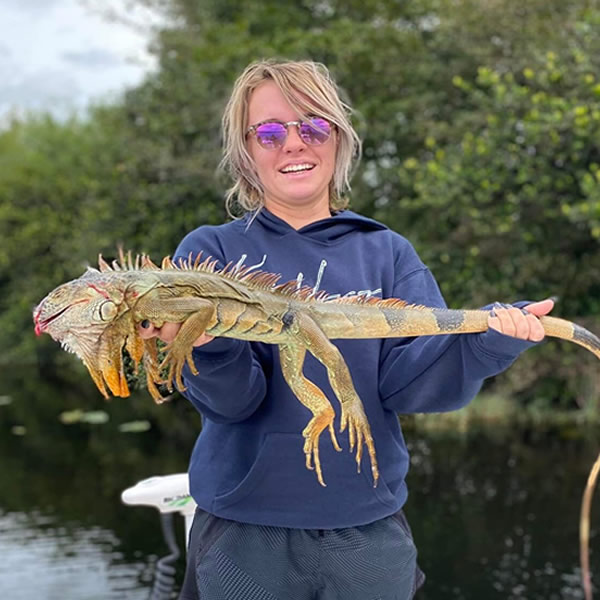
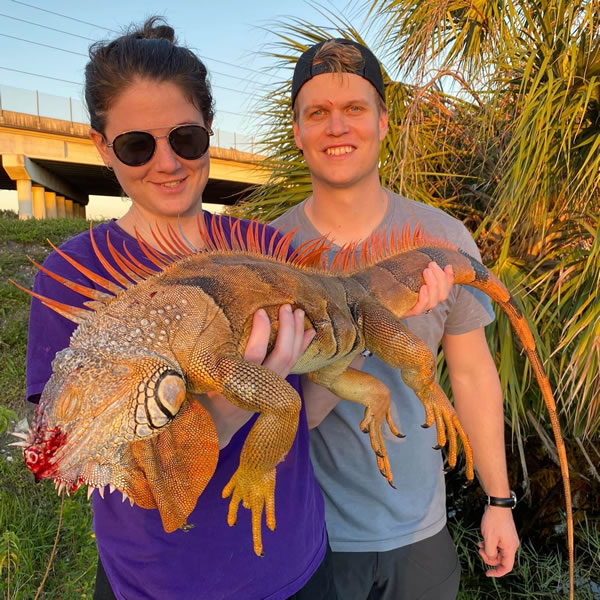
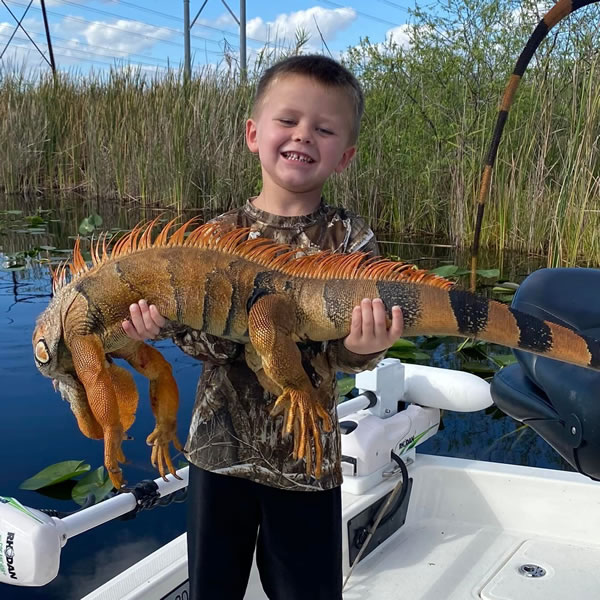
Booking your iguana hunting trip in Florida is simple. Visit the outfitter’s website to make a reservation. Most guides offer customized adventure hunting charters based on the number of people in your party and the length of the trip. Iguana hunts usually range from $300 for a two-hour trip to $700 for a full-day excursion.
Iguana hunting trips usually begin at specific times: 8 am, 11:30 am, and 2 pm, allowing flexibility in planning your adventure. After booking, you’ll get immediate confirmation via text and email, and your guide will call a day before to coordinate meeting details. This ensures a smooth and well-organized start to your hunting trip.
For those planning a larger group hunt, boats can accommodate up to six hunters, making it a perfect group activity. The experience is tailored for maximum enjoyment and success, whether you choose a 2-hour, 4-hour, 6-hour, or 8-hour hunt. Remember to check reviews and book with recommended guides to ensure a top-notch hunting adventure.
Techniques for Hunting Iguanas
Using air guns is a proven method for hunting iguanas. These tools are effective for a precise and humane dispatch, especially when aiming for the head near the eye. Avoid using air guns in populated areas to ensure safety.
The success of your hunt can be influenced by several factors, including the size of your hunting party, skill level, weather, and season. On average, a single hunt can yield about 10 iguanas, but with favorable conditions, you might capture up to 30. Understanding these factors and mastering techniques will lead to a more successful iguana hunt.
Locating and Identifying Iguanas
Locating and identifying iguanas is a crucial step in a successful iguana hunting trip. Green iguanas, known for their vibrant color and impressive size, can be found in various habitats across South Florida. These large lizards thrive in warm, humid climates, making areas like Miami-Dade, Broward, and Palm Beach County prime hunting grounds.
To locate iguanas, focus on areas with dense vegetation such as trees, bushes, and grasses. Iguanas are also drawn to bodies of water, including lakes, rivers, and canals. Look for signs of iguana activity, such as droppings, scratches on trees, and burrows. These indicators can lead you to their hiding spots.
Identifying iguanas can be challenging, but several characteristics can help distinguish them from other species. Green iguanas have a distinctive green color with a barred tail and can grow up to 6 feet in length. They also feature a row of spikes running from the base of the head to the tail. Be aware that other iguana species, such as the Mexican spiny-tailed iguana and the black spiny-tailed iguana, also inhabit Florida. Recognizing these differences is essential for a successful hunt.
Approaching and Shooting Iguanas
Approaching and shooting iguanas requires a blend of skill and caution. These reptiles are easily startled, so it’s crucial to move slowly and quietly. Aim to get as close as possible without alarming the iguana, ensuring a clear and humane shot.
When it comes to shooting, precision is key. Aim for the eye or the head, as this is the most humane way to dispatch the animal. Always be mindful of your surroundings to ensure a safe shot, avoiding populated areas and sensitive ecosystems.
Air rifles are the preferred weapon for hunting iguanas due to their effectiveness and accuracy. High-powered air rifles with a minimum of .25 caliber are recommended, and using red dot sights can enhance your precision. Mastering these techniques will significantly increase your chances of a successful hunt.
Essential Gear for a Successful Iguana Hunt
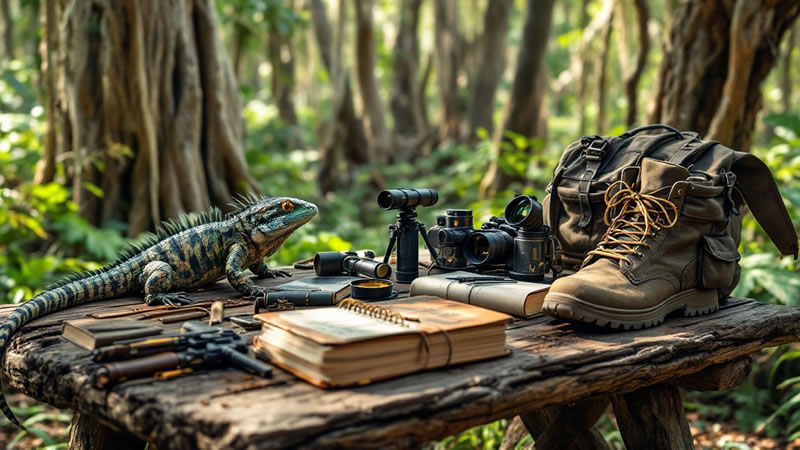
Having the right gear is essential for a successful iguana hunt. Air rifles, particularly .20 to .25 caliber, are commonly used for their effectiveness. While PCP airguns are preferred for their power and accuracy, traditional break barrel airguns are also suitable due to their accessibility. The outfitter usually provides all necessary equipment, including air rifles.
Safety gear is equally important. Thick gloves are essential for handling iguanas, and protective eyewear like safety glasses can guard against debris and scratches. Insect repellent is essential in Florida’s mosquito and tick-prone areas. It’s also recommended to carry a durable backpack for your gear and a cooler for transporting iguanas after the hunt.
Navigation tools such as detailed maps or GPS devices enhance the hunting experience, ensuring you don’t lose your way. Always have a fully charged mobile phone for emergencies and communication, although your guide will also have one. Hunting from a boat can cover more area and increase your chances of a successful hunt.
Cost of Iguana Hunting in Florida
The cost of iguana hunting in Florida varies based on the length and type of trip.
- A half-day iguana hunting excursion usually costs around $500.
- A full-day trip which we call a cast and blast, hunting and fishing for peacock bass can go up to $700.
- For smaller groups, prices can start as low as $300, making it accessible for different budgets.
Guided iguana hunting trips often include equipment rental, adding convenience. Depending on the duration and amenities, the cost can reach up to $900. Whether you’re opting for a short adventure or a full-day hunt, the pricing is designed to fit various preferences and group sizes.
Legal Aspects of Iguana Hunting in Florida
Knowing the legal aspects of iguana hunting in Florida ensures a responsible and compliant adventure. The Florida Fish and Wildlife Conservation Commission permits year-round hunting of iguanas on designated public lands to control their population and mitigate their detrimental impact on local ecosystems. Green iguanas are not protected in Florida, except by anti-cruelty laws. Since April 29, 2021, they are listed as a prohibited species, allowing year-round hunting without a license, making the Florida iguana hunt accessible to enthusiasts.
Hunters can capture iguanas on private property with the landowner’s consent, following humane harvesting practices. It’s important to note that captured iguanas cannot be relocated or released in other areas. To hunt iguanas, one must adhere to these guidelines.
There are no bag limits for hunting iguanas, and they can be hunted on designated public lands and private properties with permission.
Safety and Precautions
Safety and precautions are paramount when hunting iguanas. Always wear protective gear, including gloves, long sleeves, and eye protection, to guard against the iguana’s sharp claws and teeth. This gear will also protect you from potential environmental hazards.
Be aware of your surroundings and avoid hunting in densely populated areas or near sensitive ecosystems. Adhere to all local regulations and guidelines, and ensure you have any necessary permits or licenses before embarking on your hunt.
Handling and consuming iguana meat also requires caution. Iguanas can carry salmonella bacteria, which can be transmitted to humans through contact with the animal’s feces or contaminated meat. Always handle iguana meat with care, and cook it thoroughly to avoid the risk of foodborne illness.
By following these safety guidelines and taking the necessary precautions, you can enjoy a successful and safe iguana hunting trip. Happy hunting!
What to Do After the Hunt
After a successful iguana hunt, there are a few essential steps to follow. Carry a basic first aid kit for any minor injuries during the hunt. Always have water and energy-boosting snacks on hand to stay hydrated and energized. Use trash bags to clean up waste and maintain environmental cleanliness.
For transporting your catch, a cooler is highly recommended. Iguana meat, often referred to as ‘chicken of the trees’ due to its mild flavor, can be prepared in various ways, including tacos and fajitas. It is important to avoid consuming wild-caught iguanas raw. This is due to the potential risk of salmonella contamination. Leftovers should be discarded promptly to prevent harmful bacteria.
Understanding Green Iguanas as an Invasive Species
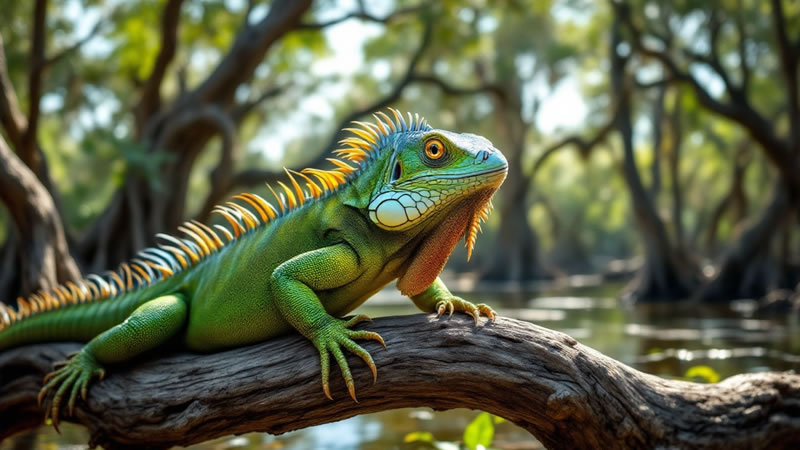
Originally from Central and South America, green iguanas were introduced to Florida iguana in the 1960s. Their rapid population growth and adaptability have classified them as an invasive species, outcompeting native species.
Hunting iguanas in Florida helps control their population and protect local ecosystems from the risks they pose.
Native Habitat vs. Florida Habitat
In their native regions, green iguanas live in tropical forests, grasslands, and coastal areas. Florida’s tropical climate and diverse environments, such as sandy soils and urban settings, resemble their native habitats, allowing them to thrive. This similarity in climate and habitat availability has contributed to their successful adaptation in Florida.
In Florida, green iguanas often prefer habitats offering shelter and food, such as canal banks, residential areas, and places with ornamental plants. Their ability to adapt to urban areas and diverse environments makes them a common sight in South Florida, posing challenges to local ecosystems and infrastructure.
The Ecological Impact of Green Iguanas
The rapid reproduction and lack of natural predators in Florida have caused uncontrolled population growth of green iguanas. The Florida Fish and Wildlife Conservation Commission permits year-round hunting of iguanas on designated public lands to control their population and mitigate their detrimental impact on local ecosystems. These iguanas out-compete native wildlife for resources, significantly damaging important species and local ecosystems. Their presence has disrupted the balance of native wildlife and wreaked havoc on homes and businesses.
Green iguanas consume vegetation, such as fruit trees and sea grape bushes, leading to property damage and ecological disruption. They also burrow and damage infrastructure such as drainage pipes, further impacting the local environment. To manage their population, some people choose to hunt green iguanas.
Hunting to manage their population is crucial for protecting Florida’s unique ecosystems and maintaining biodiversity.
Summary
Iguana hunting in Florida offers a unique and thrilling adventure while contributing to the management of an invasive species. From the ideal hunting grounds and top locations to the benefits of guided hunts and essential gear, this guide has covered all aspects to ensure a successful iguana hunting trip. Understanding the legal aspects and what to do after the hunt adds to a responsible and enjoyable experience.
By participating in iguana hunts, you’re not just having an outdoor adventure; you’re playing a part in preserving Florida’s ecosystems. So gear up, book your trip, and get ready for an exciting and impactful hunting journey. Happy hunting!
Frequently Asked Questions
How much does Florida pay for the bounty on iguanas?
Florida offers a whopping $50,000 bounty on iguanas! How cool is that?
Can you eat iguana meat in Florida?
Absolutely, you can eat iguana meat in Florida! It’s not only delicious in dishes like stews and tacos, but also encouraged by wildlife agencies due to their growing population.
How much do iguana hunters make in Florida?
Iguana hunters in Florida can earn impressive salaries, with figures around $35,000 to $65,000 annually! It’s an exciting opportunity for those looking to venture into this unique job!
Can you legally hunt iguanas in Florida?
Absolutely, you can legally hunt iguanas in Florida! They are classified as invasive and can be hunted on private property with permission or on select public lands all year round without a permit!
Do I need a hunting license to hunt iguanas in Florida?
Absolutely, you don’t need a hunting license to hunt iguanas in Florida! You can dive right in and start your iguana-hunting adventure!